A Mediterranean Garden on the Algarve?
Is the Algarve Mediterranean? Good question, and one I often get asked at the Mediterranean Gardening Association. You will have noticed that there is a small m and a large M involved already–and we haven’t even come to the end of the first paragraph! So, mediterranean is both a noun and an adjective. While mediterranean
ecosystems cover just under three per cent of the earth´s land area, they contain about 20 per cent of its plant biodiversity, including 26,000 endemic species.
The Algarve is definitely a mediterranean climate zone–even though the coastline is bathed by the Atlantic. How can this be? Strictly speaking (here comes the boring bit!), small m is for the worldwide mediterranean climate zones and large M is for the Mediterranean Sea and associated countries. A professional biologist working in the western Algarve said that “if you use bio-geographical definitions or climate maps, nearly the entire area of Portugal is mediterranean (even more mediterranean by percentage than Spain). There is a more or less Atlantic influence, but Portugal is much more mediterranean then Atlantic.” So, there you have it, Portugal is more mediterranean than Spain!
How does this help us poor souls trying to make a garden here and make sense of a seasonal routine so completely different to what many have been used to in northern Europe? It is the climate alone that dictates whether you live in a mediterranean
zone, and many use the handy indicator of olive trees. If you have olive trees anywhere in the world, you are in a mediterranean area. The natural dormant period takes place in the long dry months of ‘summer’. This is what defines the mediterranean climate: long periods of summer drought and heat with significant rainfall only occurring in the winter months. You can see from the map that this links many plant-rich areas around the world, and our luck is that we can use our local native plants alongside those from these other (small m here) mediterranean zones when making a garden.
There are many examples of good garden plants already established here which need no irrigation and which come from South Africa, California and Australia. Watch out for the alien invaders from these regions, but take advantage of the good guys such as Clivias
from South Africa, Ceanothus from California and Grevilleas from Australia.
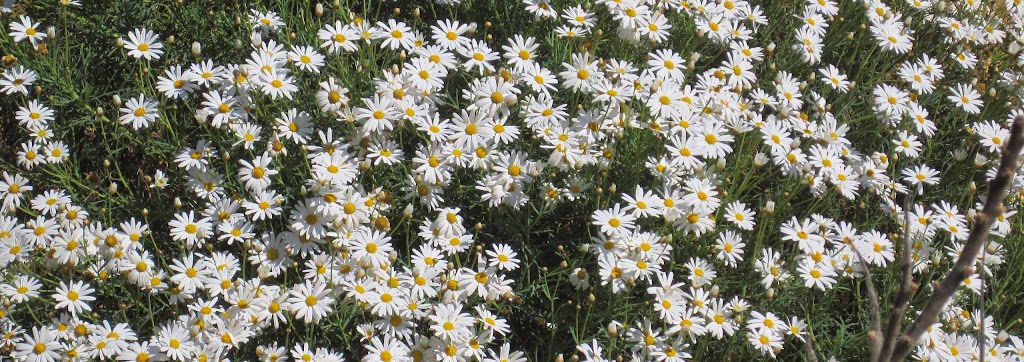
Good news all round–or is it? I love using some of our native plants. Plants which you can see growing well in the countryside and giving spectacular displays in the spring and early summer months: lavender, phlomis, and the lovely cistus. We notice these plants smugly nodding at us over the garden wall or fence as we struggle to establish our gardens. These plants are superbly adapted for their environment, and no one is watering them. But (and this is the big question), where can we find a good selection of them? There are a number of small and specialist nurseries which are offering such plants. Sigmetum is a specialist plant nursery in Lisbon featuring native plants of Portugal and mediterranean plants. Sementes de Portugal sells native plant seeds of Portugal, including seed mixes for flowering meadows.
The Autumn MGAP Garden Fair provides a good opportunity to see many vendors in one place at one time so we can all enjoy the fruits of their labours. Why hold a garden fair in winter? This is easy: it is the ideal (some think the only) time of the year to do the planting. Good winter rains will ease the plants into their new homes and help get them established before the summer months of heat and drought. Some plants will need help through their first summer but in our garden, we have already taken many shrubs and trees off our watering system as they are now well established and no longer need irrigation. An Algarve mediterranean garden with no irrigation? Perfection!
Posted by Rosie Peddle
March 2017